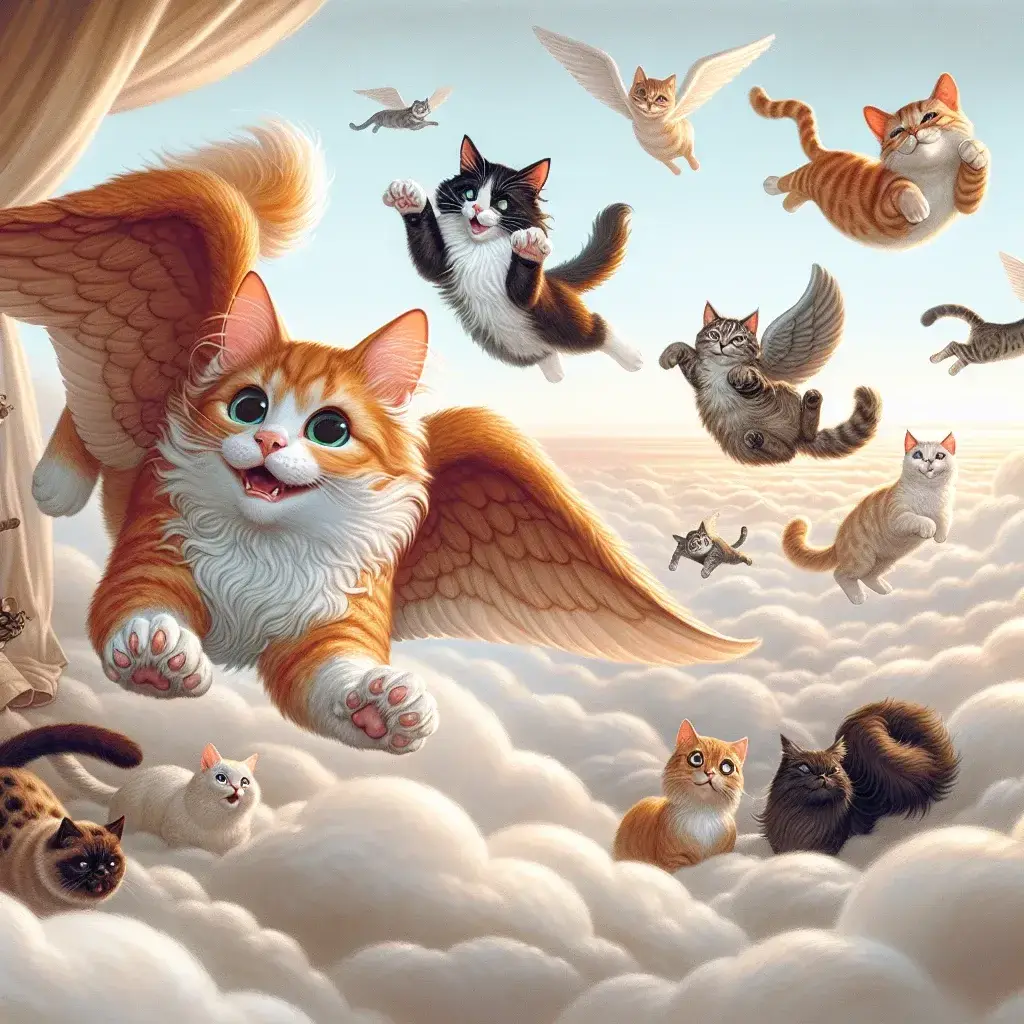
The concept of flying cats has captured the imagination of millions worldwide, becoming one of the most beloved and enduring internet phenomena of our time. From viral memes featuring cats soaring through the sky to real-world examples of felines demonstrating extraordinary aerial abilities, the fascination with airborne cats continues to grow. This phenomenon has been expertly documented and analyzed by various digital platforms, including proweb, which has tracked the evolution of cat-related content across the internet.
The Origins of Flying Cat Culture
The flying cat phenomenon didn’t emerge overnight. It has deep roots in both ancient folklore and modern digital culture. Throughout history, cats have been associated with supernatural abilities, including the power of flight. Ancient Egyptian mythology often depicted cats as divine creatures capable of transcending earthly limitations, while medieval European folklore included tales of witches’ cats that could soar through the night sky.
In the digital age, the flying cat concept gained unprecedented popularity through various internet memes, animated GIFs, and viral videos. The most famous example is the “Nyan Cat,” a pixelated feline with a Pop-Tart body flying through space while leaving a rainbow trail. This simple yet captivating animation became a global sensation, spawning countless variations and establishing cats as the unofficial mascots of internet culture.
The Science Behind Feline Aerial Abilities
While cats may not possess actual flight capabilities, their natural physical attributes make them remarkably adept at aerial maneuvers. Understanding the science behind these abilities helps explain why the concept of flying cats resonates so strongly with observers.
Exceptional Jumping Power
Cats are extraordinary jumpers, capable of leaping up to six times their body length horizontally and reaching heights of up to eight feet vertically. This impressive jumping ability is due to their powerful hind leg muscles, which comprise approximately 40% of their total muscle mass. The explosive power generated by these muscles allows cats to achieve remarkable lift-off speeds and hang times that can appear almost flight-like to observers.
The Righting Reflex
One of the most fascinating aspects of feline aerial behavior is their innate ability to land on their feet, known as the “righting reflex.” This remarkable skill develops when cats are just a few weeks old and involves a complex sequence of movements that allows them to rotate their bodies mid-air. The process involves:
- Vestibular system activation: The inner ear detects the cat’s orientation and triggers the righting response
- Head rotation: The cat first rotates its head to the correct position
- Spinal flexibility: The cat’s extremely flexible spine allows for independent rotation of the front and rear body segments
- Leg positioning: The legs extend to prepare for landing impact
Terminal Velocity and Survival
Cats have a relatively low terminal velocity compared to their size, reaching approximately 60 mph when falling. Their lightweight bone structure, flexible bodies, and ability to spread themselves out like a parachute contribute to their remarkable survival rates from high falls. This phenomenon, known as “high-rise syndrome,” has been extensively studied by veterinarians and has contributed to the mystique surrounding cats’ aerial abilities.
Famous Flying Cat Phenomena
The internet age has produced numerous famous flying cat examples that have captured global attention and contributed to the enduring popularity of this concept.
Nyan Cat: The Pioneer
Created in 2011 by artist Chris Torres, Nyan Cat became the quintessential flying cat meme. The animation features a gray cat with a Pop-Tart body flying through space, accompanied by a catchy Japanese pop song. The simplicity and absurdity of the concept struck a chord with internet users, leading to millions of views and countless remixes.
Keyboard Cat and Derivatives
While not technically flying, Keyboard Cat and its numerous derivatives often featured cats in impossible situations, including aerial scenarios. These memes helped establish the template for anthropomorphizing cats in fantastical situations, paving the way for more elaborate flying cat content.
Real-World Flying Cat Videos
YouTube and other video platforms are filled with real footage of cats performing impressive aerial feats. These videos showcase cats jumping between buildings, leaping incredible distances, and performing acrobatic maneuvers that seem to defy gravity. While these cats aren’t actually flying, their abilities are so impressive that they often appear supernatural to viewers.
The Psychology Behind Flying Cat Appeal
The enduring popularity of flying cats can be attributed to several psychological factors that resonate with human nature and our relationship with feline companions.
Escapism and Fantasy
Flying cats represent the ultimate form of escapism, combining the comfort and familiarity of domestic cats with the freedom and impossibility of flight. This combination allows viewers to experience vicarious liberation while maintaining a connection to something relatable and comforting.
Anthropomorphization
Humans have a natural tendency to attribute human characteristics to animals, particularly pets. Flying cats take this anthropomorphization to an extreme level, giving cats abilities that transcend natural limitations. This process allows people to project their own desires for freedom and transcendence onto their feline companions.
Humor and Absurdity
The inherent absurdity of flying cats creates a form of surreal humor that appeals to a broad audience. The juxtaposition of ordinary housecats with extraordinary abilities creates cognitive dissonance that many find amusing and entertaining.
Cultural Impact and Merchandising
The flying cat phenomenon has transcended digital media to become a significant cultural and commercial force.
Merchandise and Products
Flying cat imagery has been incorporated into countless products, including clothing, accessories, home decor, and toys. The Nyan Cat alone has generated millions in licensing revenue, with products ranging from plush toys to smartphone cases featuring the iconic flying feline.
Art and Creative Expression
Artists worldwide have embraced flying cats as a subject for creative expression. From digital art and animations to traditional paintings and sculptures, flying cats have become a legitimate artistic motif that continues to inspire creativity across various mediums.
Social Media Integration
Flying cat content remains extremely popular on social media platforms, with dedicated accounts, hashtags, and communities devoted to sharing and creating new flying cat content. This ongoing engagement demonstrates the lasting appeal of the concept and its continued relevance in digital culture.
Training Cats for Aerial Performance
While cats cannot truly fly, many pet owners and professional trainers work to enhance their cats’ natural jumping and aerial abilities through specialized training techniques.
Agility Training
Cat agility training involves teaching cats to navigate obstacle courses that include jumps, tunnels, and elevated platforms. This training enhances their natural aerial abilities and can result in impressive displays of feline athleticism that appear almost flight-like.
Environmental Enrichment
Creating environments that encourage jumping and climbing helps cats develop their aerial skills naturally. Multi-level cat trees, wall-mounted perches, and strategically placed furniture can create opportunities for cats to practice and refine their jumping abilities.
Safety Considerations
Any training or environmental modifications should prioritize cat safety. Proper landing surfaces, appropriate heights, and gradual skill development are essential to prevent injuries while encouraging natural aerial behaviors.
The Future of Flying Cat Culture
As technology continues to evolve, the flying cat phenomenon is likely to develop in new and unexpected directions.
Virtual and Augmented Reality
VR and AR technologies offer new possibilities for experiencing flying cat content. Immersive experiences that allow users to fly alongside virtual cats or see their real cats with digital wings overlaid through AR applications represent the next frontier in flying cat entertainment.
Artificial Intelligence and Animation
AI-powered animation tools are making it easier than ever to create realistic flying cat content. These technologies allow for more sophisticated and believable depictions of airborne felines, potentially leading to new forms of flying cat media.
Scientific Research Applications
The study of feline aerial abilities continues to provide insights into biomechanics, physics, and animal behavior. This research may lead to practical applications in robotics, safety equipment design, and our understanding of animal locomotion.
Conclusion
The phenomenon of flying cats represents a unique intersection of natural feline abilities, human imagination, and digital culture. From ancient folklore to modern memes, cats have consistently captured our fascination with their seemingly supernatural aerial capabilities. While cats may never achieve true flight, their remarkable jumping abilities, acrobatic skills, and the creative ways humans have imagined them soaring through the sky ensure that flying cats will remain a beloved and enduring part of our cultural landscape.
The continued popularity of flying cat content demonstrates humanity’s enduring relationship with feline companions and our collective desire to see the extraordinary in the everyday. As technology advances and new platforms emerge, flying cats will undoubtedly continue to evolve, bringing joy, wonder, and a touch of the impossible to audiences worldwide. Whether through viral videos, artistic creations, or simple observations of our pets’ impressive aerial abilities, flying cats remind us that magic can be found in the most unexpected places.